The Fulani are primarily nomadic herders and traders. Through their nomadic lifestyle they established numerous trade routes in West Africa. Many times the Fulani go to local markets and interact with the people, getting news and spreading it through much of West Africa.
The most important object in Fulani society is a cattle. There are many names, traditions, and taboos concerning cattle. The number of cows a person owns is a sign of his wealth. This has caused significant conflict in recent months between the Fulani and other ethnic groups. The reason for this conflict is that the cows will many times go into the fields and eat the grains of local farmers.
As times goes on, the modes of transportation throughout West Africa have become more modernized. This modernization in transportation puts the Fulani at risk of losing their identity as nomads, and forces them to settle in farms and villages. This often creates other problems, as the Fulani are a very proud people of a unique culture and are used to ruling over the other people groups.
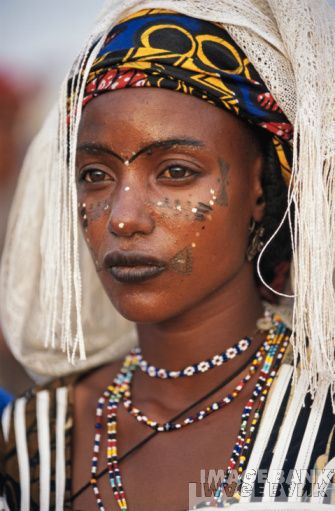
A distinctive difference between the Fulani and other African people is that the Fulani have a huge respect for beauty. Beauty is considered very important and one of the ways this is shown is through tattoos that are put all over the body. A distinguishing feature of a Fulani woman is her lips, which are many times a blackish color from the use of Henna or tattooing done on the mouth.

Being brave and fearless is also a very important aspect of the Fulani, and that is obvious by their numerous weapons. One tradition is that when two boys reach coming of age, the two boys hit each other with their spears, not showing any pain but instead laughing. Many have died in these ceremonies, which are now against the law in many countries, but continue to be practiced.


The Fulani normally raise large amounts of cattle and have therefore settled in the large plain areas of Mali, Niger, Burkina Faso and Guinea. The Fulani hold to a strict caste system. The four caste subdivisions are the nobility, merchants, blacksmiths, and descendants of slaves of wealthy Fulani.


Links
http://africaimports.com/fulani
http://abagond.files.wordpress.com/2010/10/fulani.jpg
http://africaimports.com/mmAFRICAIMP2/Images/FulaBelieve.jpg
http://www.goodlife.com.ng/uploads/Yetunde_67_sharo-fes.jpg
http://www.goodlife.com.ng/uploads/Yetunde_114_sharo.jpg
http://www.afropop.org/wp/wp-content/uploads/2011/12/historyCattle_dogon.jpg


No comments:
Post a Comment